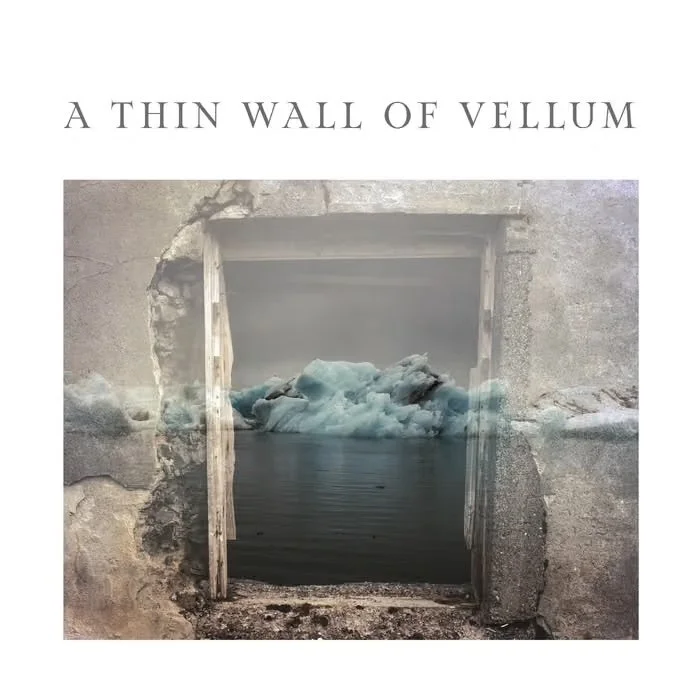
Author Corner: Mike Vos
A mini interview with the artist behind Somewhere In Another Place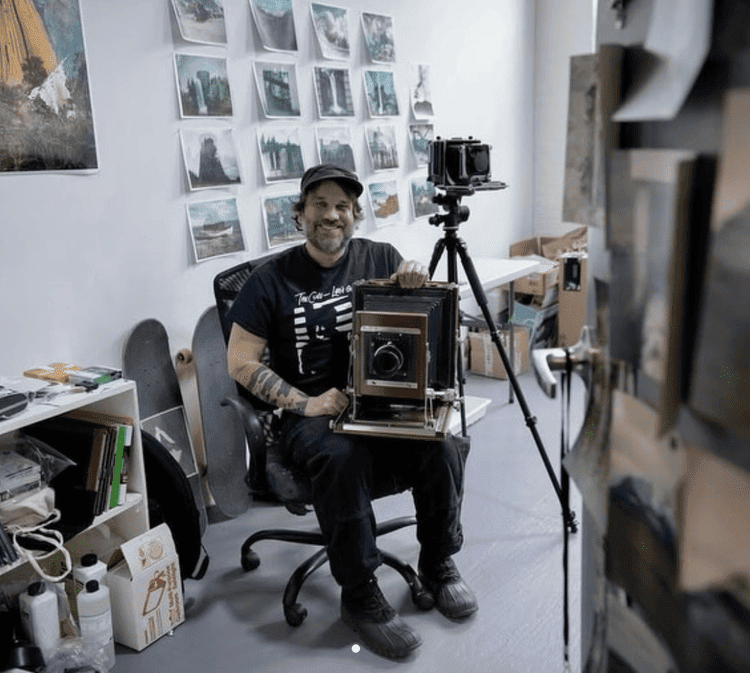
For those who don’t know, your monograph includes a book list of over 80 titles that you read while making the photographs included in it and literature plays a significant part in your creative process. What have you been into lately and/or are reading now?
I’ve had several residencies and spent a lot of time in Iceland reading Icelandic authors, poets, and historical texts like Halldór Laxness, Steinn Steinarr, and a twentieth century reimagining of Bram Stoker’s Dracula by Valdimar Ásmundsson. For 2026, I’ve tasked myself with reading some exceptionally large and challenging books that I’ve been putting off because of their length or confusing structure. Recently I’ve read (and loved) Mountains Oceans Giants by Alfred Döblin, Life a User’s Manual by George Perec and East of Eden by John Steinbeck.
I am currently in the midst of The Garden of Seven Twilights by Miquel de Palol, a 900-page tome with interweaving narratives that was only recently translated into English from Catalan.
I’ve been taking regular Spanish lessons for the last couple of years, and it has been an immense joy to be able to learn about and pursue books by Latin American authors that are underappreciated or unknown in the United States.
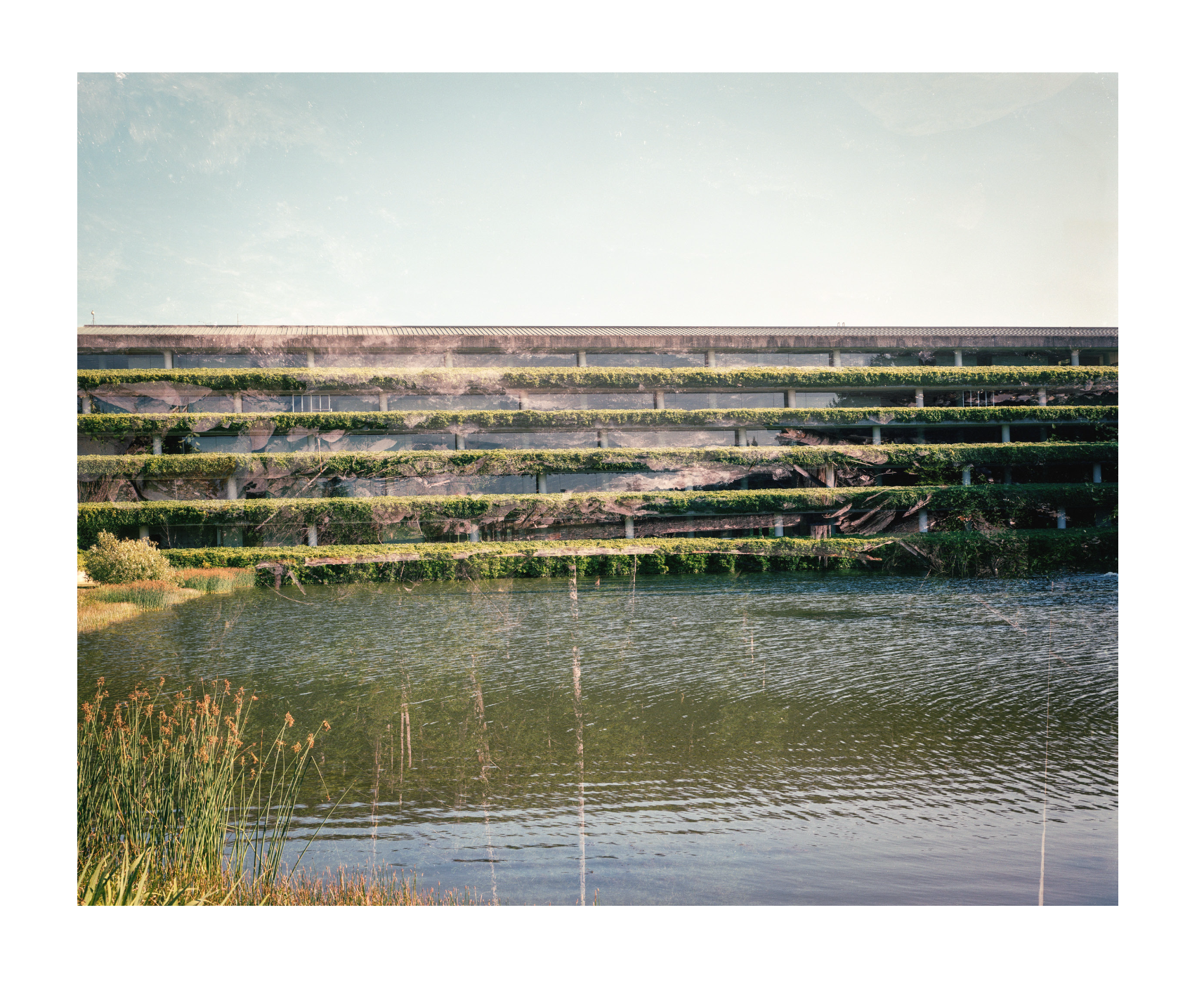
Because all the images in Somewhere in Another Place are manual double exposures there is a multiplicity to every photograph in the book, could you talk about one or two specific pairings that challenged or surprised you?
Actually, all of the images that ended up in the book surprised me in some way. There can be a chaotic element to my images, but I still meticulously plan out all of my pairings. The photographs I don’t feel fully in control of are always the ones that resonate the deepest with others, the ones where a “happy accident” has taken place either as a result of the conditions I shot in or something the camera creates through my guidance.
I am colorblind, so I find it much easier and more satisfying to shoot with black and white film.
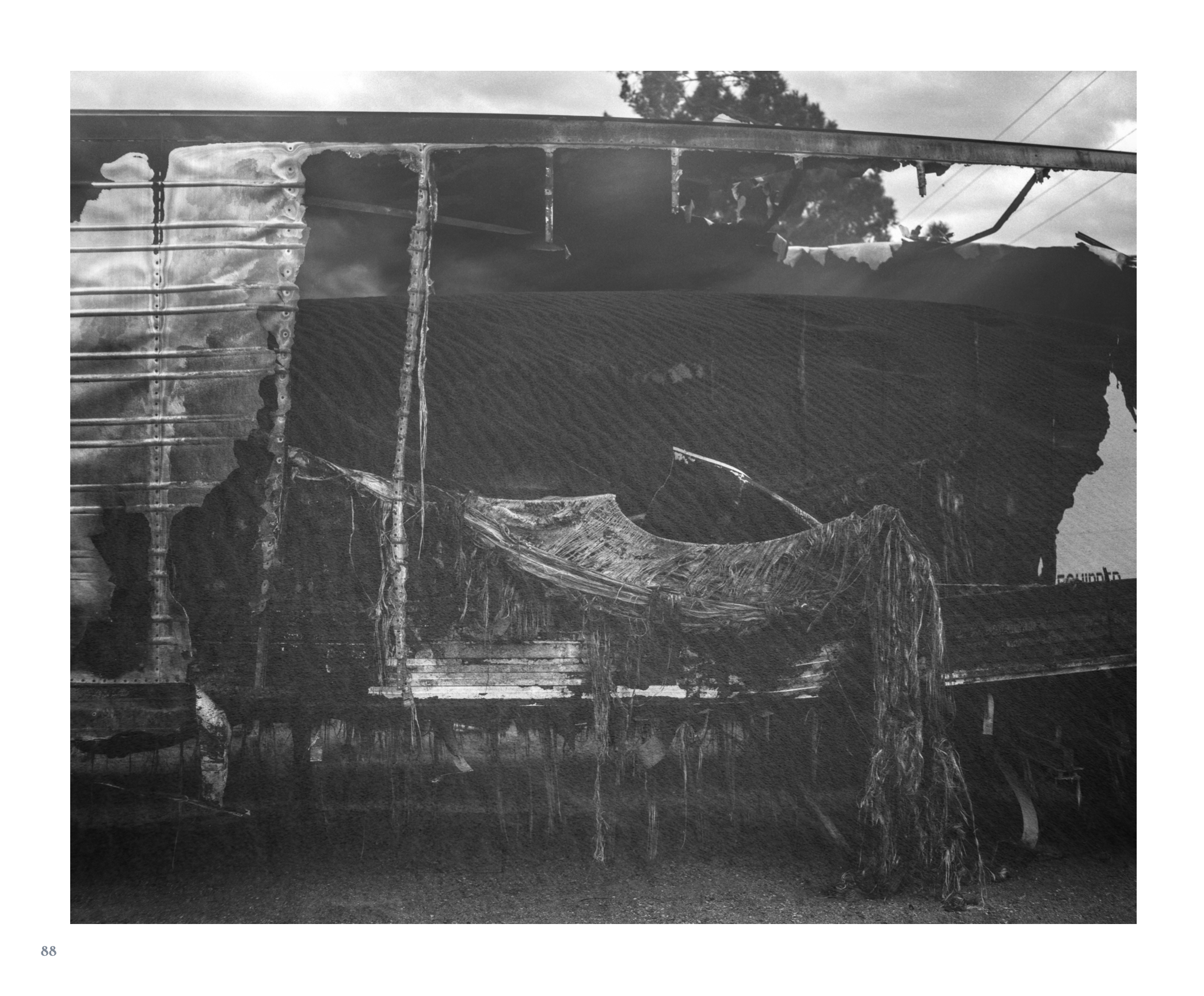
At the suggestion of a curator, I began to make more work in color, which ended up becoming the majority of the work in this monograph. These early color images, such as “What it Takes to Maintain” and “Something So Beautiful One Day” were what I consider my first “successful” images. Successful in that they resonated more deeply with my audience, and it surprised me because I’d never seen such a visceral reaction to my work prior to that.
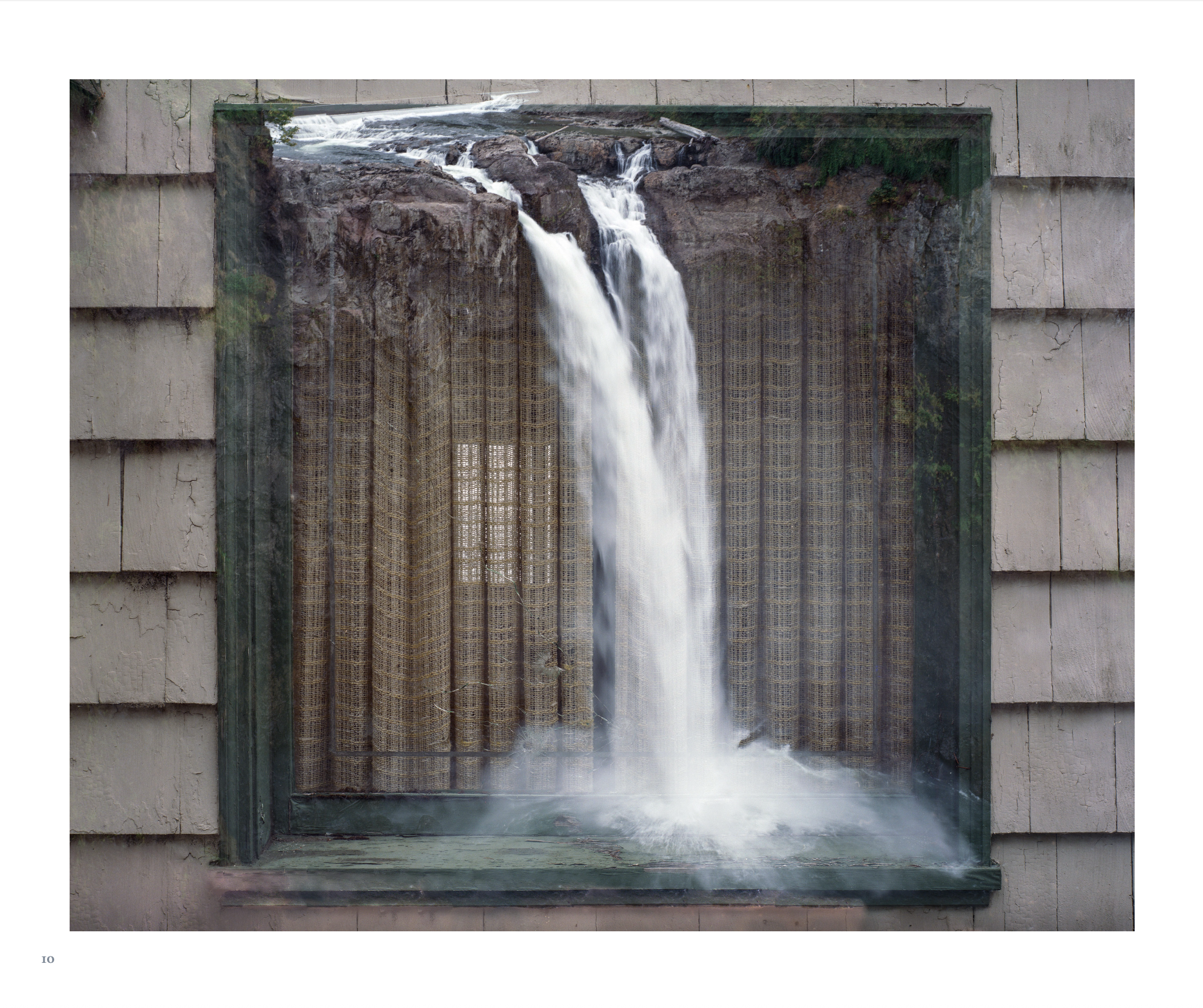
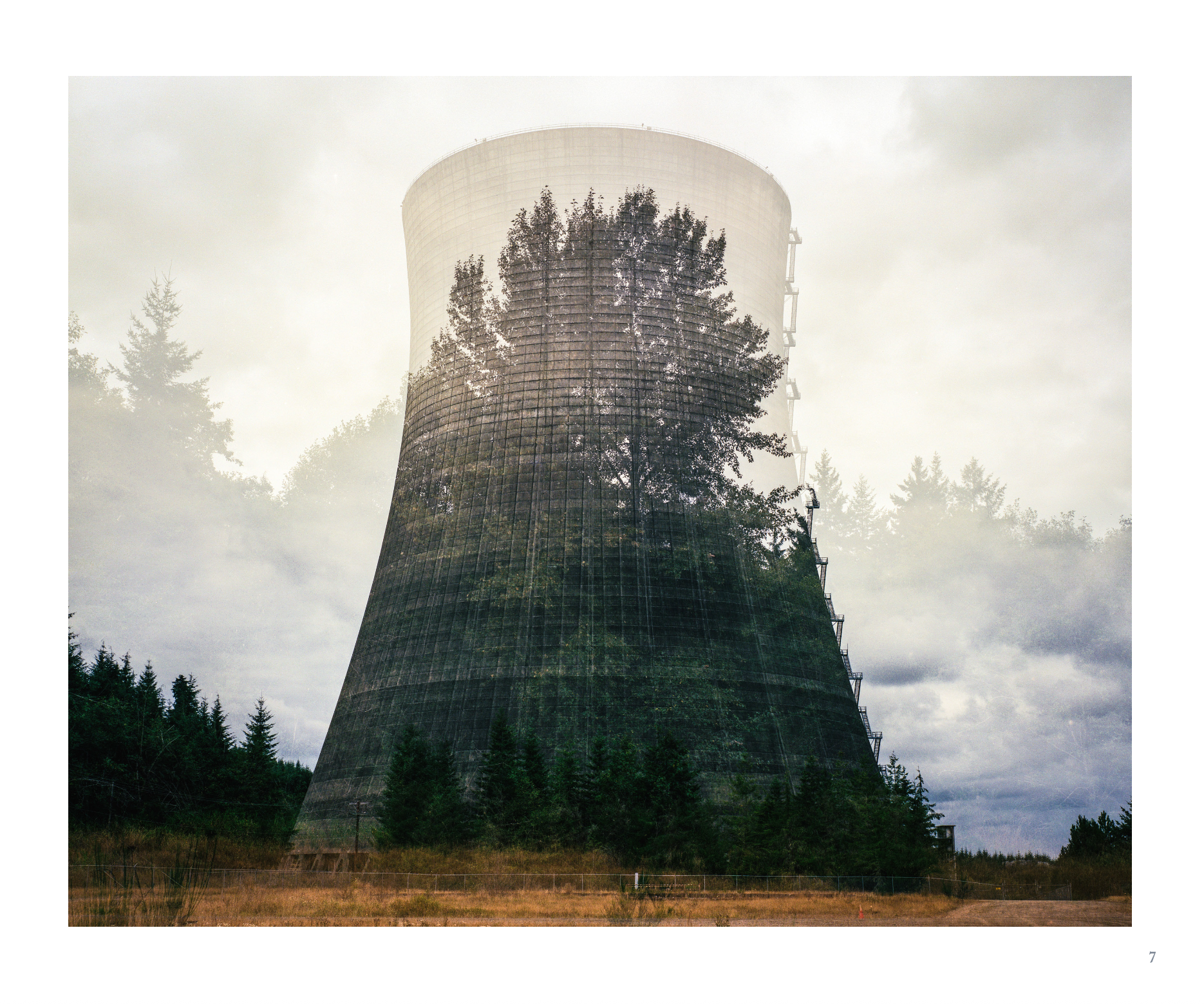
A particular image that I found challenging was the photograph I made of the abandoned Weyerhaeuser headquarters in Washington paired with a scene from Mount Rainier. I didn’t find this image to be very compelling when I made it, but it has gone on to be one of my most popular photographs and was included in an exhibition I had at Laura Vincent Design & Gallery called Fragile, Tenuous Worlds. It said a lot to me about how I perceive the photographs I make versus what a stranger sees in my images, and often that feedback helps me understand how to better communicate through my images.
It’s been said that seeking novel experiences is the most effective way to make time feel slower, how does your travel and constant pursuit of special places dilate or impact your experience of time?
I began traveling a lot on my own from a very young age, and through these experiences I’ve learned a lot about the world—knowledge that can only be gained by being thrown into the deep end of existence and witnessing the triumph and tragedies of the human experience.
During my month in Alaska, the final trip I took for Somewhere in Another Place, people from all walks of life approached me in my travels and shared their homes, boats, planes etc., inviting me into their world. This experience of a condensed friendship with strangers creates a bizarre paradox of time feeling both slowed down but simultaneously accelerated in our shared moments together. When I finally return home, those couple months on the road can often feel like an entire lifetime
The book has been out in the world for going on two years now, have you had any serendipitous interactions, chance meetings, or fun stories as a result of publication?
I’ve had many people share that they saw my book in such-and-such place, and I always love hearing that. I had a university student share with me that their professor, a photographer I very much look up to and whose books I have in my studio, uses my monograph in their photography class. It is such an honor to put something out into the world and have it leave an impact on and influence others, especially when it’s something that is so personal.
Since the book’s release I’ve had a lot of incredible opportunities. I was able to present it and speak at MASS MoCA, have it stocked in several museums across Iceland, and even did a TV interview in Portland on an afternoon talk show. My neighbor’s elderly mother excitedly called to say that she saw me on the news talking about the end of human civilization.
Describe Somewhere in Another Place in three words.
There is more.
How can folks connect with more of your work?
I’ve been making a lot of work since the monograph’s release and it’s always hard to know when a series should end. I sense that I’m nearing completion of the recent work I’ve been developing in Iceland, which includes photographic images and a collection of ambient audio pieces I created using field recordings and instrumentation. It’ll be a vinyl record which you learn more about and pre-order on my Bandcamp.